
How to Fix a Sagging Wood Gate (and When to Replace)
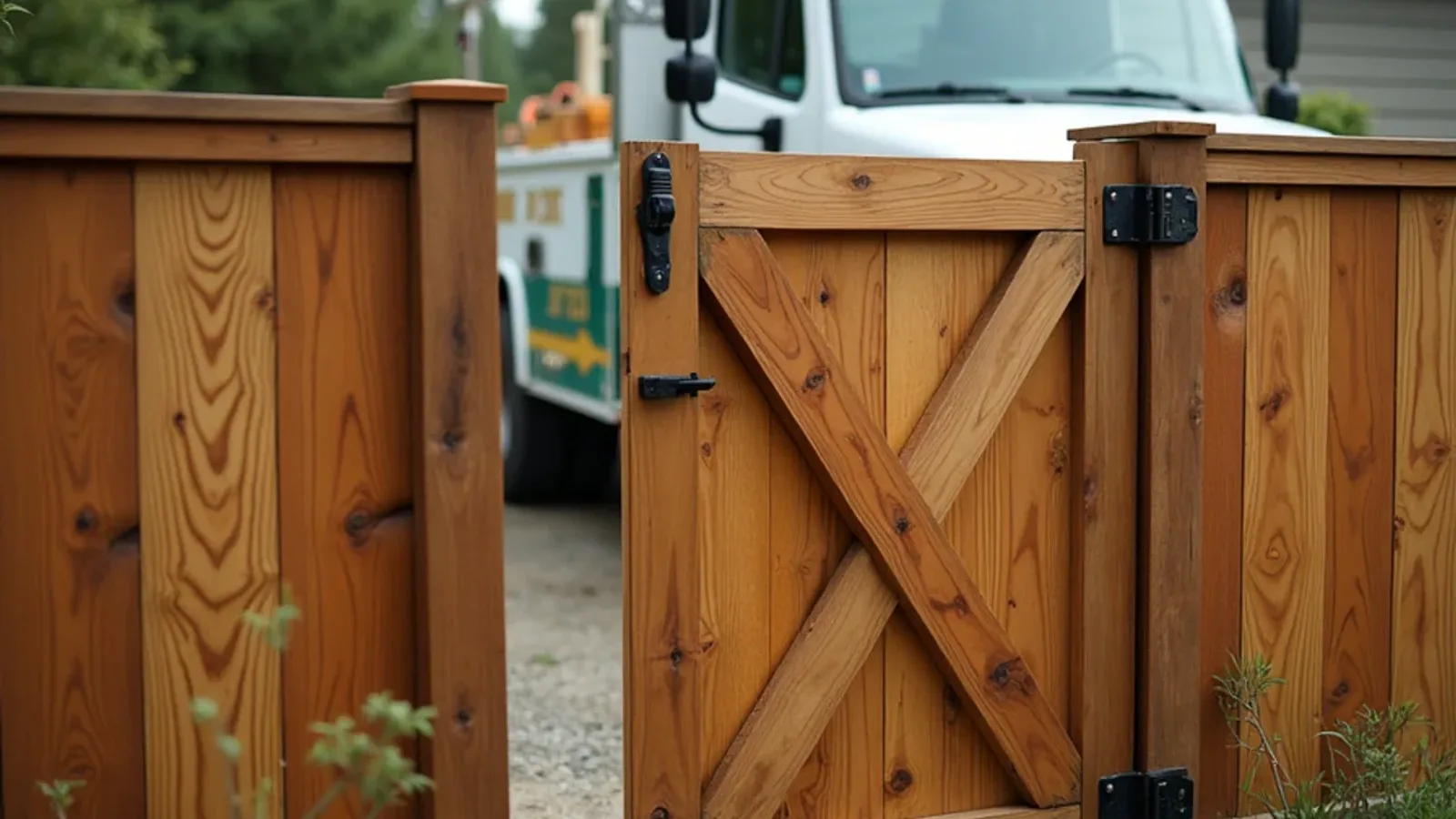
A sagging wood gate almost always comes from one of four causes: loose or undersized hinges, a frame that has racked out of square, a hinge post that has heaved or rotted, or boards that swelled with moisture. An anti-sag cable kit fixes most racked frames in an afternoon.
Gates sag everywhere, but they sag faster here. Months of rain swell the wood, saturated ground shifts the posts, and gravity does the rest on a leaf that is hanging off one edge. The good news is that the most common cause, a racked frame, is also the most fixable, and you can often do it yourself.
Find the real cause before you fix anything
Open the gate and look at it honestly. If the gap at the top has gone wedge-shaped and the latch corner drags, the frame has racked. If the whole gate wobbles and the post moves with it, the post is your problem. If it only sticks after rain, the wood has swelled. Match the fix to the cause or you will be back at it next season.
- Loose hinges
- Screws have backed out or stripped, letting the gate drop and shift. The cheapest and most common issue.
- Racked frame
- The rectangle has pulled into a parallelogram, dropping the latch corner. This is what an anti-sag kit cures.
- Post heave or rot
- The hinge post itself leans or wobbles in our wet, gravelly soil. No gate fix will hold until the post is sound.
- Swollen wood
- Boards grew with moisture and bind along the latch edge, worse in winter than summer.
Start with the hinges
Before anything else, check the hinges. Screws loosen over years of swinging, and a gate can droop simply because its fasteners no longer bite. Replace short screws with longer ones that reach fresh wood, and if the holes are stripped, plug them with glued dowels and redrill. If the hinges themselves are light-duty residential units on a heavy gate, upgrading to larger hinges often solves a sag on its own.
Install an anti-sag cable kit
For a racked frame, an anti-sag kit is the standard fix. It is a steel cable with a turnbuckle that runs diagonally across the gate, from the top corner on the hinge side down to the bottom corner on the latch side. Tightening the turnbuckle pulls the dropped corner back up and squares the frame.
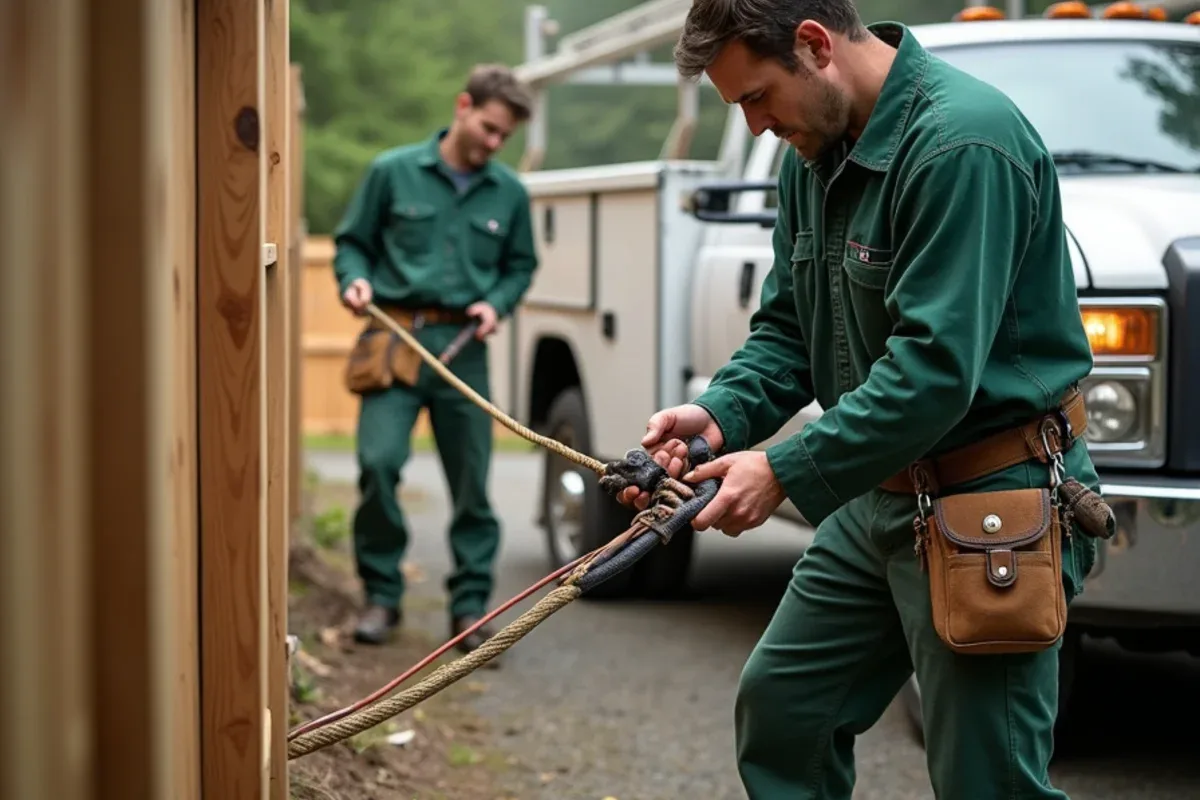
- Confirm the hinges are tight first, so you are not fighting slop in the fasteners.
- Mount the kit's corner brackets at the top hinge corner and the bottom latch corner.
- Run the cable through the turnbuckle and take up the slack.
- Tighten the turnbuckle a few turns at a time, checking the top gap as you go.
- Stop when the gate is square and the latch lines up, and no further.
When the wood has swelled
If the gate works fine in August and binds every January, the wood is cycling with the weather, not failing. Resist the urge to plane a lot of material off the latch edge, because the wood will shrink back in summer and leave a sloppy gap. Adjusting the latch catch to the gate's wet-season position is usually the better move, and a light sanding of a single high spot can take the edge off without overdoing it.
When the post is the real problem
Here is the limit of any gate-only fix. If the hinge post leans, wobbles, or has gone soft at the base, the gate is sagging because its anchor is failing, and cable kits and new hinges will not hold. In our wet, gravelly ground, posts heave when water works the footing and rot when the base stays saturated. A failing post has to be reset deeper or replaced, which means digging out the old footing and setting a new post plumb in concrete.
Fix or replace the gate?
- Fix it if the frame is sound and the problem is hinges, rack, or a minor swell.
- Rebuild the gate if the frame joints have failed or boards are rotting through.
- Replace or reset the post if the post is what moved, then rehang the gate.
- Consider a steel-framed gate if a wood frame keeps racking under heavy use.
Tools and materials for the fix
Most sagging-gate repairs need only a modest kit, and having it on hand before you start saves a trip mid-job.
- A cordless drill or impact driver and a nut driver for hinge screws.
- An anti-sag cable kit with a turnbuckle, sized to your gate.
- Longer, heavier structural screws to replace any that have stripped out.
- A level and a tape to check the frame is square before you tension anything.
- Exterior-grade hinges if the old ones are bent, rusted or undersized.
How long a DIY fix actually lasts
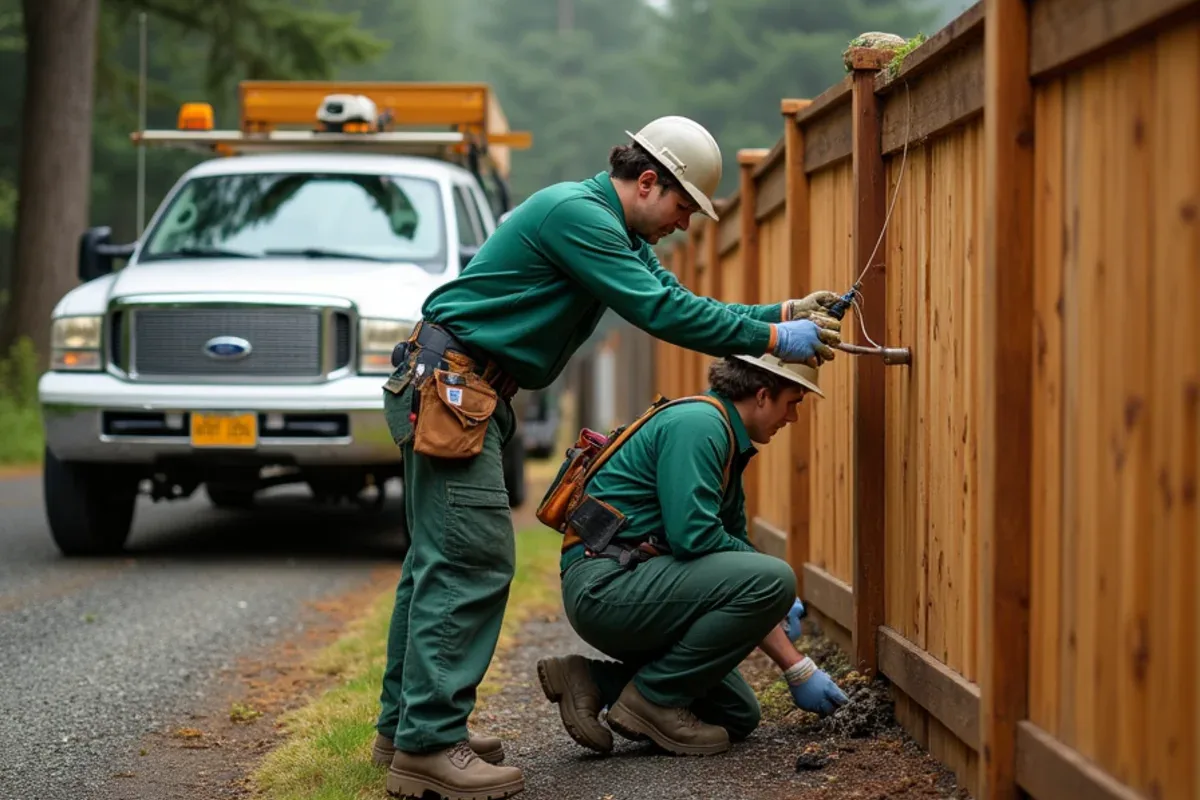
If the frame is still square and the post is solid, an anti-sag cable and fresh hinges can keep a gate working for years — it is a genuinely good repair, not a band-aid. Where DIY fixes come back is when the real problem was the post or a frame that has racked out of square. Tensioning a cable on a leaning post just pulls the whole thing crooked, and shaving a binding gate only buys a season before the wood swells again. If you have tightened, cabled and re-hinged and it still drags, the gate is telling you the post needs to be reset — and that is where a crew with the tools to dig and reset in concrete earns its keep.
Preventing sag on your next gate
If you are building or rebuilding, a few choices stop sag before it starts. Keep single gates to about four feet or go to a double; the wider a single gate, the harder its weight pulls the hinge post out of plumb. Set an oversized gate post deeper and in more concrete than a line post, or use steel for a heavy gate. Build the frame square with a diagonal brace or a cable from the start. And use hinges rated for the gate, not whatever came in the kit. Do those four things and a gate will swing true for years with nothing but the occasional screw snugged tight.
When to call a fence contractor
Try the hinge and cable fixes first, they solve a lot of sags. Call when the post has moved, when the frame joints have let go, or when a gate is too heavy for a wood frame to hold square. Creative Effects Contracting has repaired and rebuilt gates across Fircrest and Tacoma since 2017, we are insured and bonded, and we will give you a free written estimate for the repair.
Reach us at (614) 543-4232 to get your gate hanging true again.
Get a Free On-Site Fence Estimate
Talk to a local Lakewood fence pro. We'll look at your line, your soil and your gates—then quote it in writing.
- Insured & Bonded
- WA L&I #CREATEL809CL
- 4.6★ on Google (51 reviews)
- Free Estimates
- Serving Lakewood since 2017
Frequently asked
- Only if the frame is square and the post is solid. A cable corrects a frame that has racked, but it cannot fix a leaning or rotted hinge post, and tensioning a cable on a bad post just pulls the gate crooked. Check the post first.